Waterwalls, superheaters, economizers — inspected in hours, not scaffold-weeks. The outage window shrinks; the record stays on video.
Planned outages for boiler inspection are among the most expensive recurring events in a power plant calendar. Scaffold erection inside a boiler furnace. Tube access through confined space procedures. Multi-week outage windows. And at the end of it, a visual inspection that a qualified inspector could complete in a fraction of the time if the access problem were solved differently.
A CVI drone solves the access problem. The Nolvis X1 was designed to navigate boiler interiors — waterwall panels, superheater banks, economizer sections — and deliver inspection-grade footage to the inspector standing outside. The scaffold never gets built. The outage window shrinks. The per-inspection cost drops by an order of magnitude.
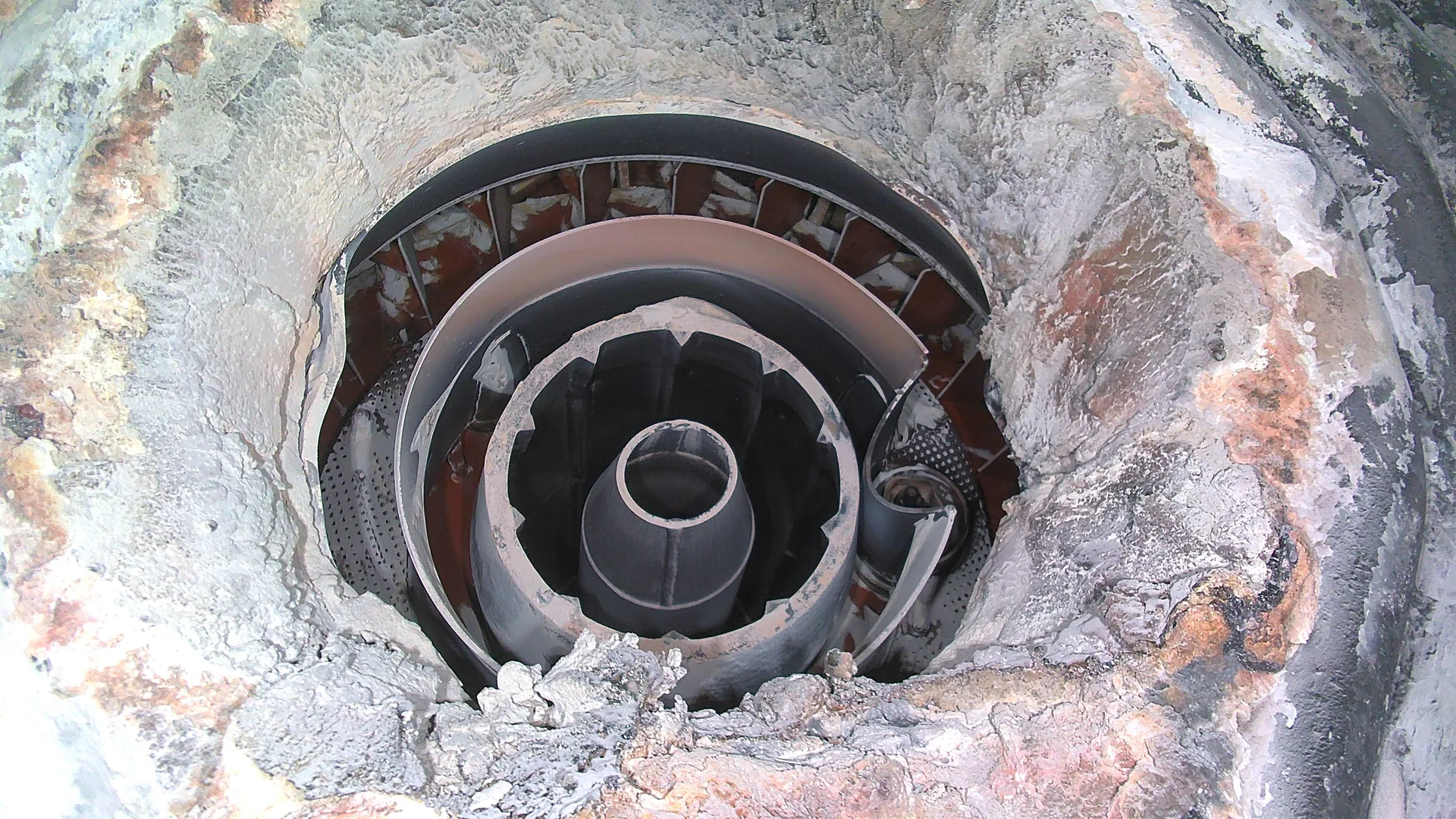
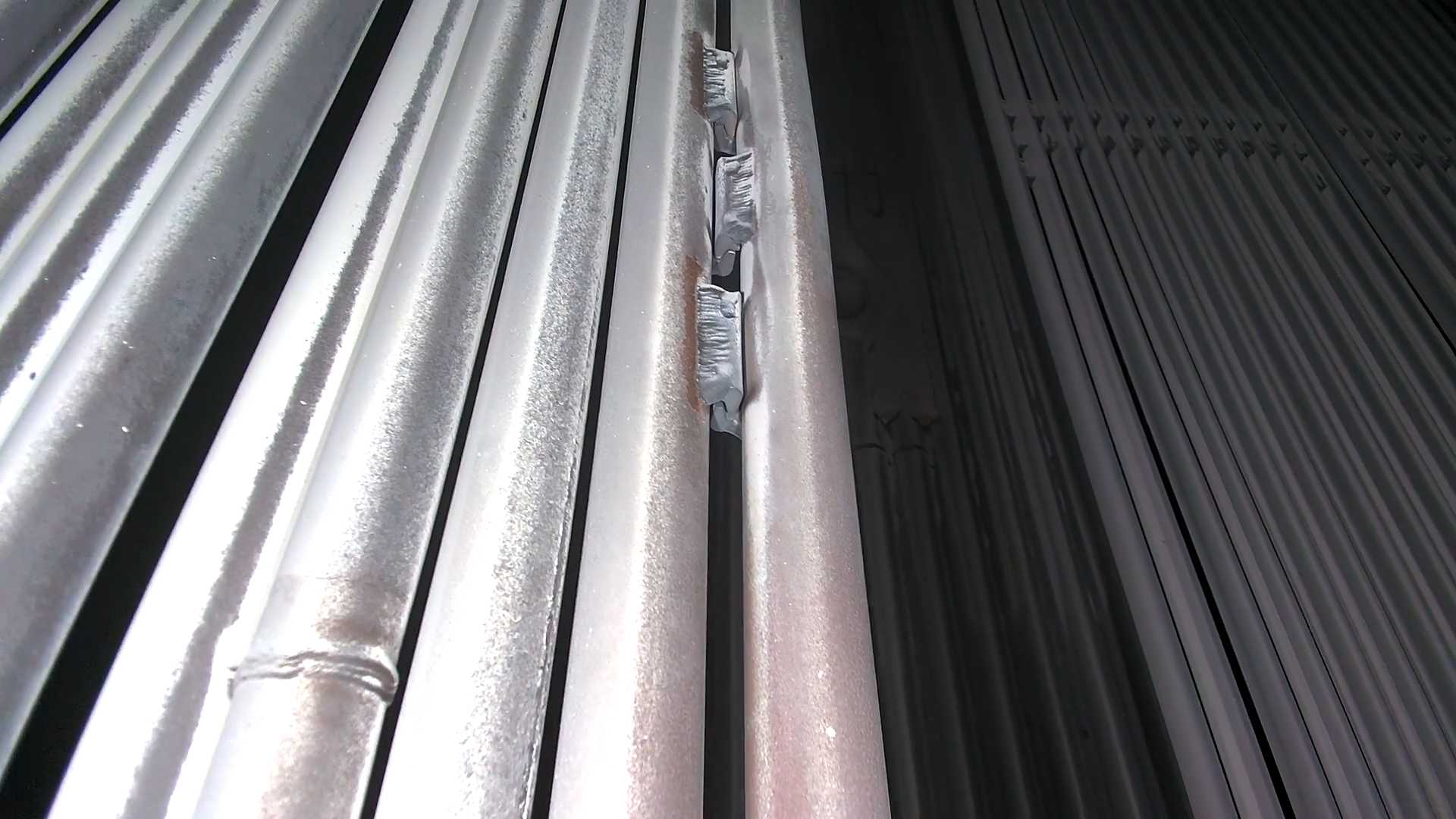
Boiler interior captured by the X1 in flight — actual footage frame.
In a coal-fired, waste-to-energy, or biomass boiler, a single planned outage inspection can involve:
The total cost of one full visual inspection cycle — scaffold, labor, downtime — can reach $420,000+ for a large boiler installation. That's the figure one power generation operator cited after transitioning to drone-assisted inspection. Their drone paid for itself in the first deployment.
Drone inspection does not replace certified inspection. It eliminates the scaffolding required to get the inspector's camera to the surface:
The result: inspection time falls from multi-day scaffold operations to hours. Outage windows compress. Findings are captured on video, creating a permanent record for comparison across cycles.
The X1 was evaluated in field conditions across power generation environments. Camera selection was a particular focus — operators consistently describe the image quality as "wow" compared to alternatives at similar frame sizes.
For inspection service companies, the X1 can be billed against a single outage engagement and recover its cost within the first client project.
If your facility operates coal, waste-to-energy, biomass, or natural gas boilers — or if you provide inspection services to power generation facilities — the X1 offers a direct path to lower inspection costs and shorter outage windows.
Contact us to discuss your boiler configuration, access port dimensions, and inspection schedule. We'll show you exactly how the X1 fits your workflow.
Yes. Purpose-built CVI drones are designed to enter boiler interiors through standard access ports and capture inspection-grade footage of waterwall panels, tube banks, superheater sections, and other interior surfaces. The X1 fits through 14-inch access openings and is designed for stable hover in close proximity to tube surfaces.
Results vary by facility size and configuration, but documented cases show savings ranging from 90%+ reduction in inspection time to more than $400,000 in annual cost reduction. The primary savings driver is elimination of scaffolding, which can cost $50,000–$200,000+ per inspection cycle in large installations.
Drone pilot certification requirements depend on jurisdiction. The inspection findings themselves are documented by a qualified inspector who reviews the footage. Most facilities integrate drone CVI into existing inspection workflows — the drone handles access, the certified inspector handles documentation and certification.
Tell us your boiler configuration and access port dimensions — we'll map the X1 to your inspection schedule.
