
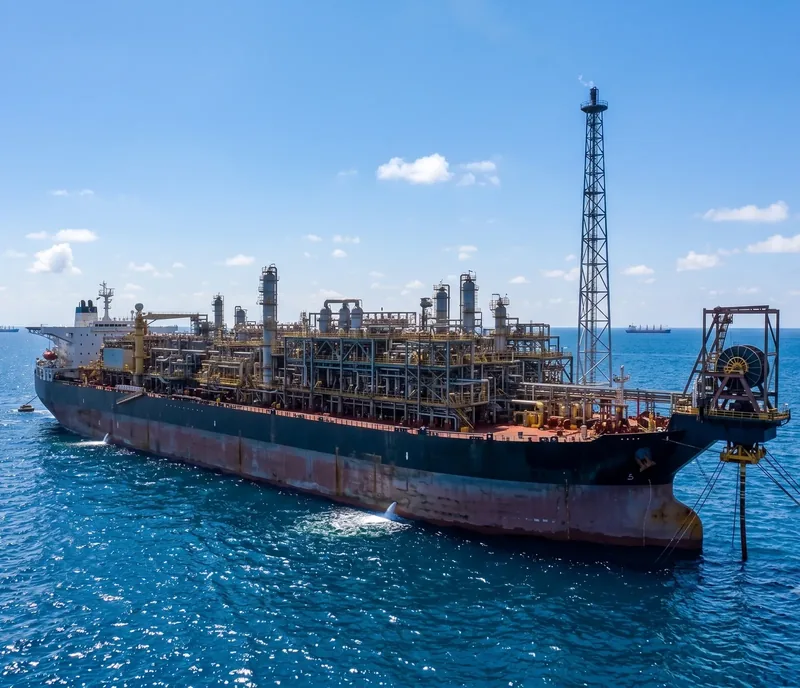
FPSO tank inspection without the scaffold.
Pre-surveys, between-survey condition checks, maintenance planning: the visual work where access cost, not certification, is the bottleneck.
Offshore, every hour of staging is expensive.
FPSO tanks (cargo, process, ballast, slop and void spaces) require periodic inspection. Some of that work is formal class survey and thickness gauging, which carry their own approval requirements. A CVI drone is not a substitute for those.
But a large share of FPSO inspection is owner-driven: pre-surveys ahead of a class inspection, condition checks between surveys and maintenance planning. That visual work is exactly where a CVI drone changes the economics.
The camera goes in. The technician stays outside.
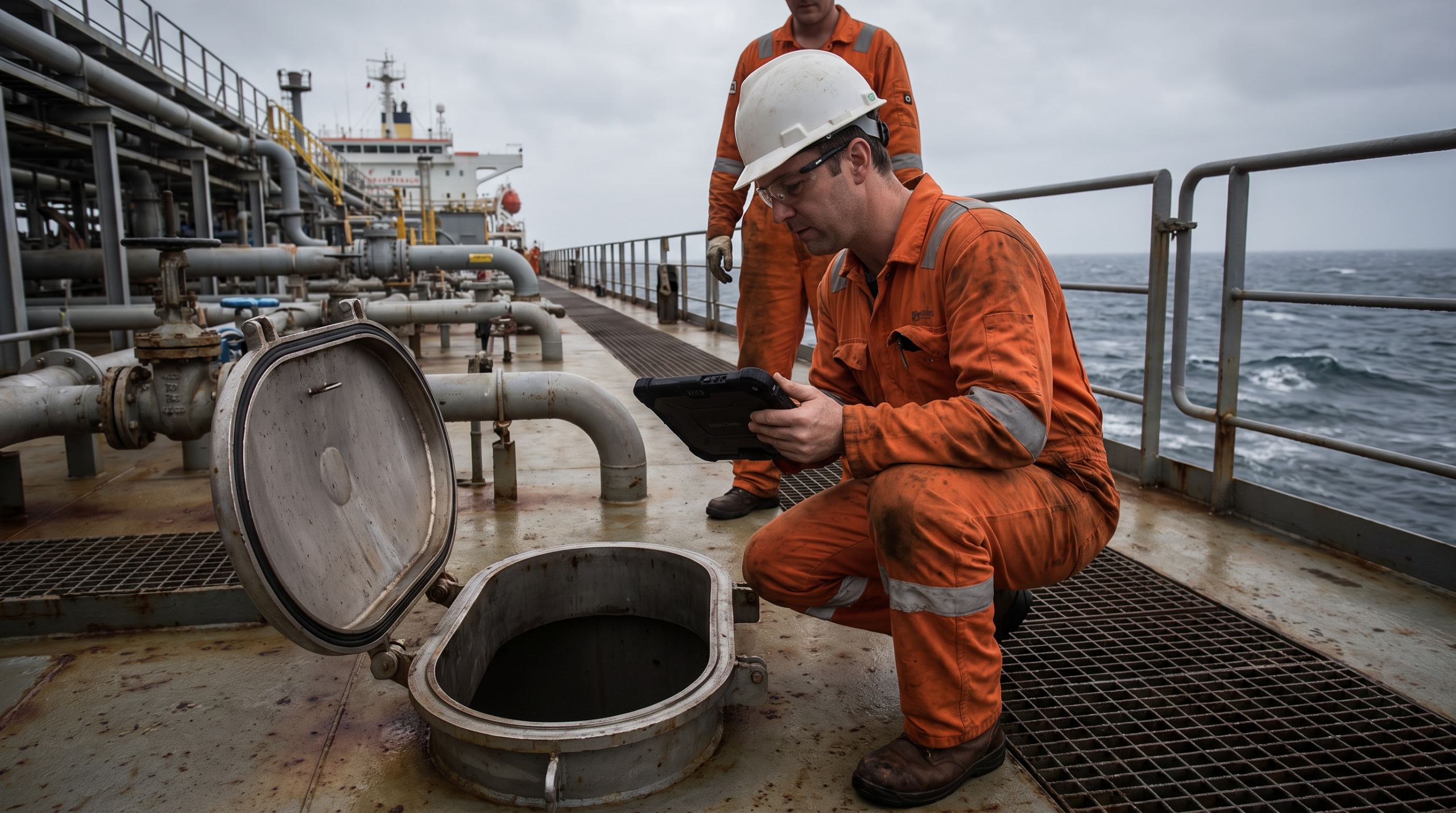
Through the manway
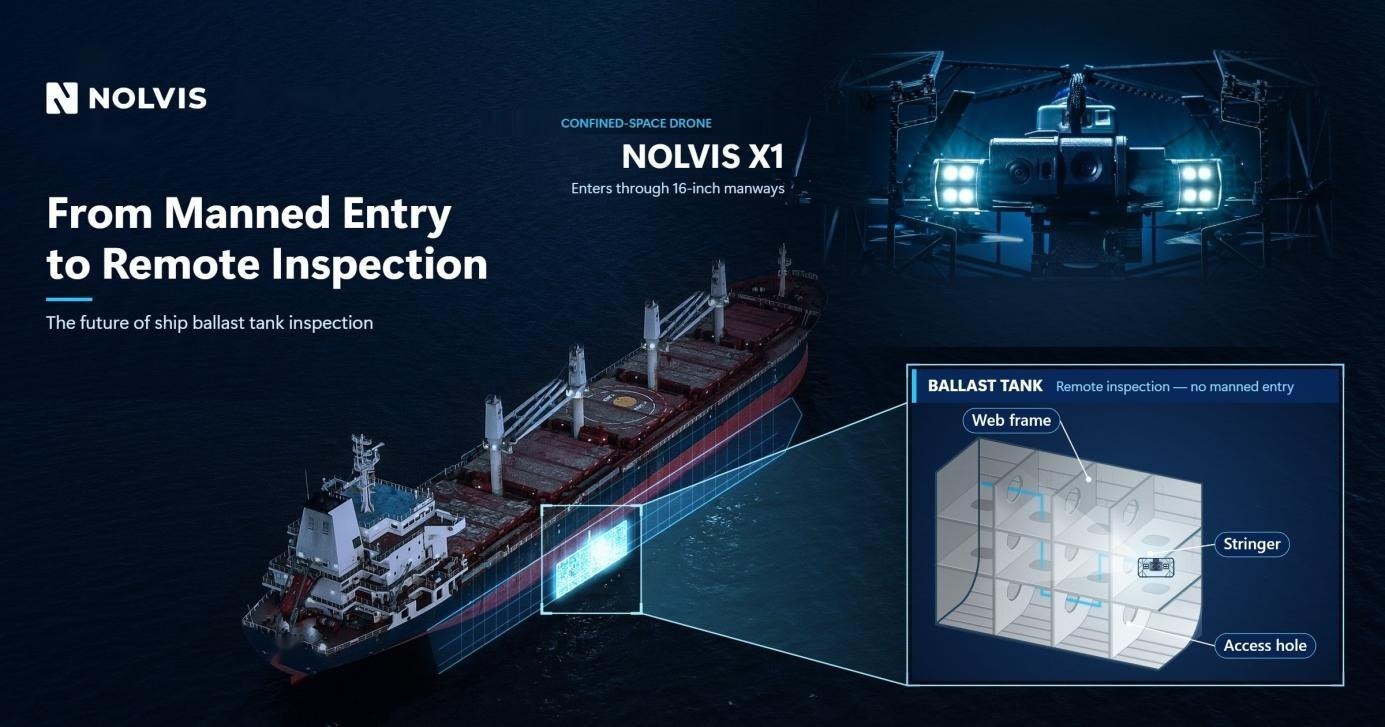
The compact cage passes openings as small as 16 in, including typical tank manways. Send us your opening size and we'll confirm fit.
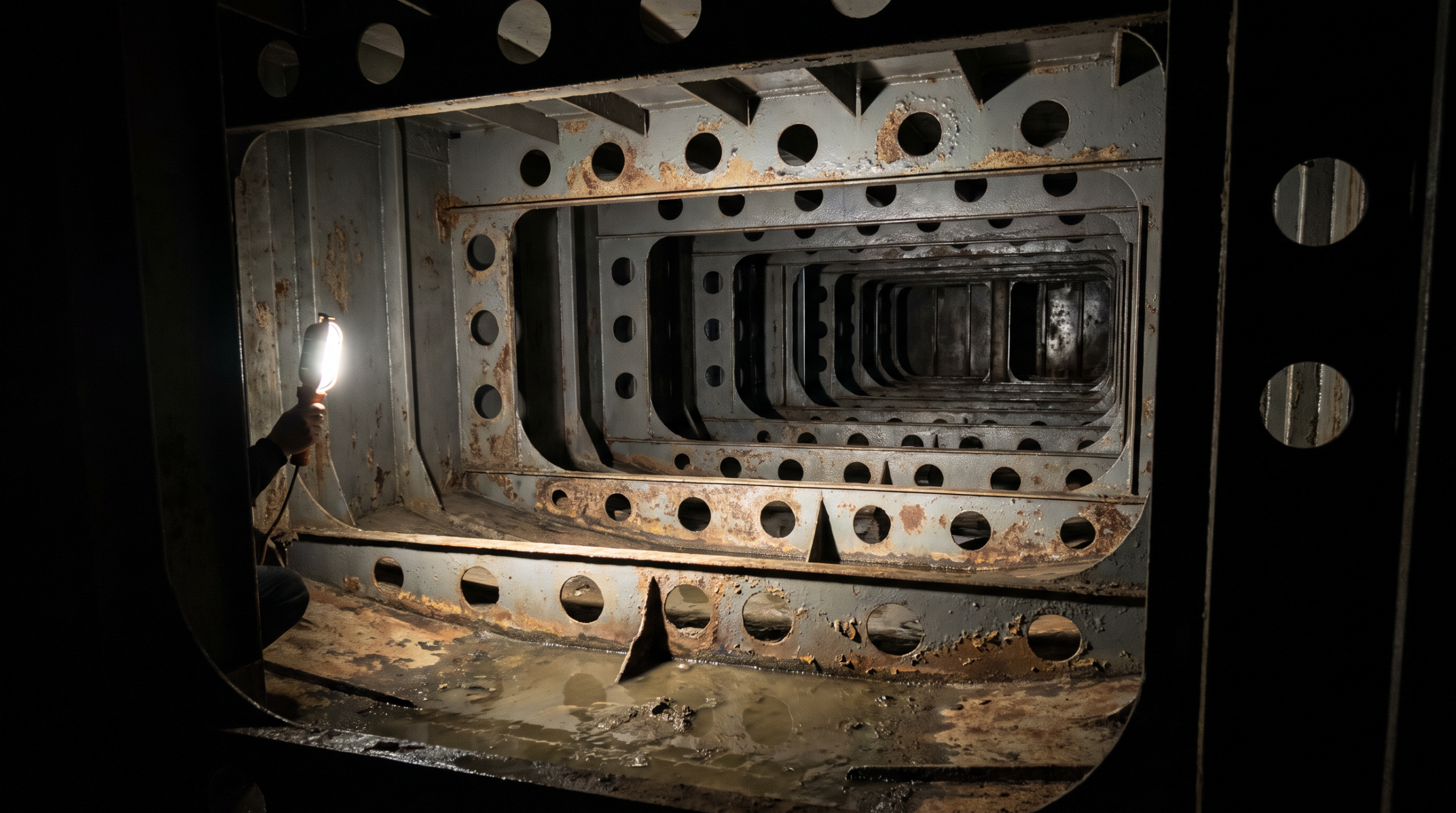
Steady close-up
LiDAR holds position without GPS, so a first-week operator can park in front of the surface and look. 4K camera, 10,480-lumen light.
A measurable record
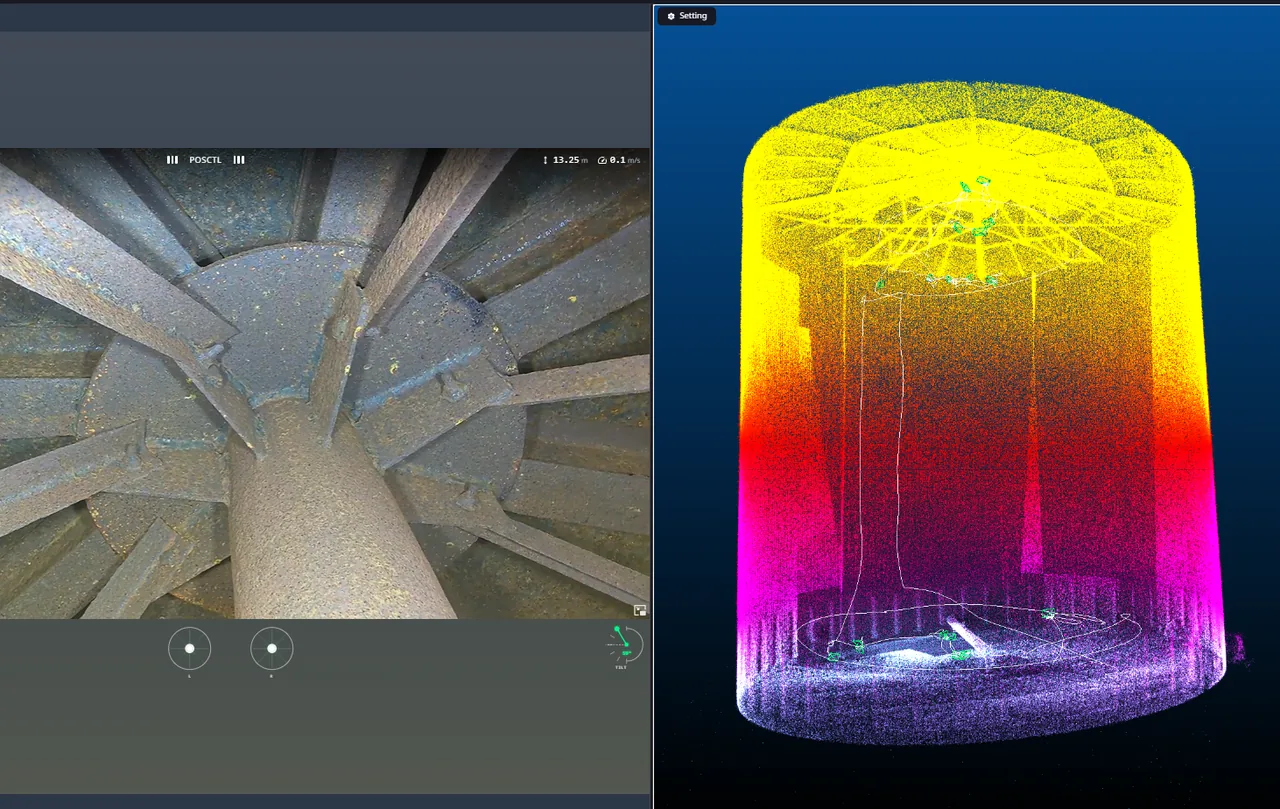
Every flight captures a 3D point cloud (.las) tied to the asset's geometry, reviewed and reported in Nolvis X Cloud.
Inspection-grade data for the report.
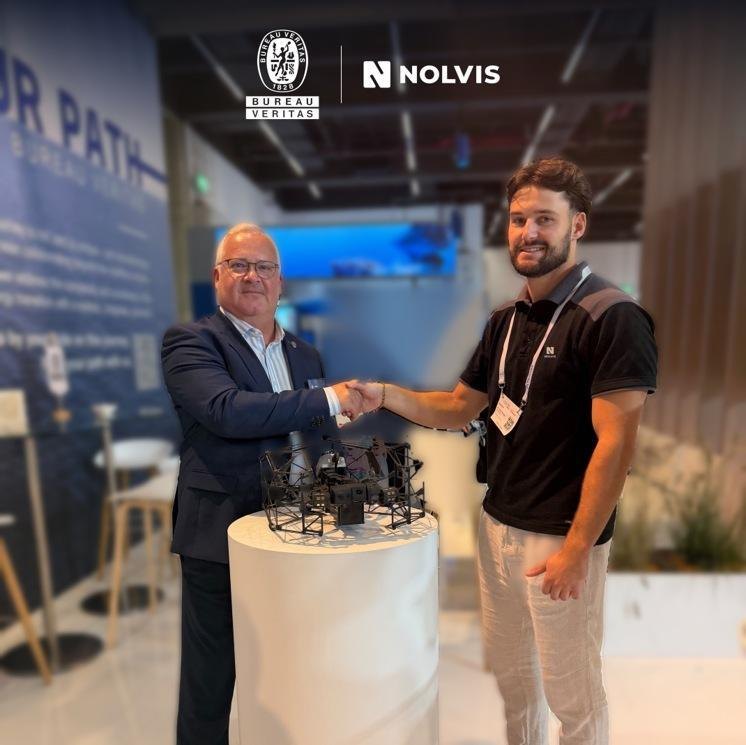
Offshore inspection at scale with a major inspection service provider
Accesses the compact manways of offshore vessels and ballast tanks, for multi-week campaigns.
Where drones fit, and where they don't
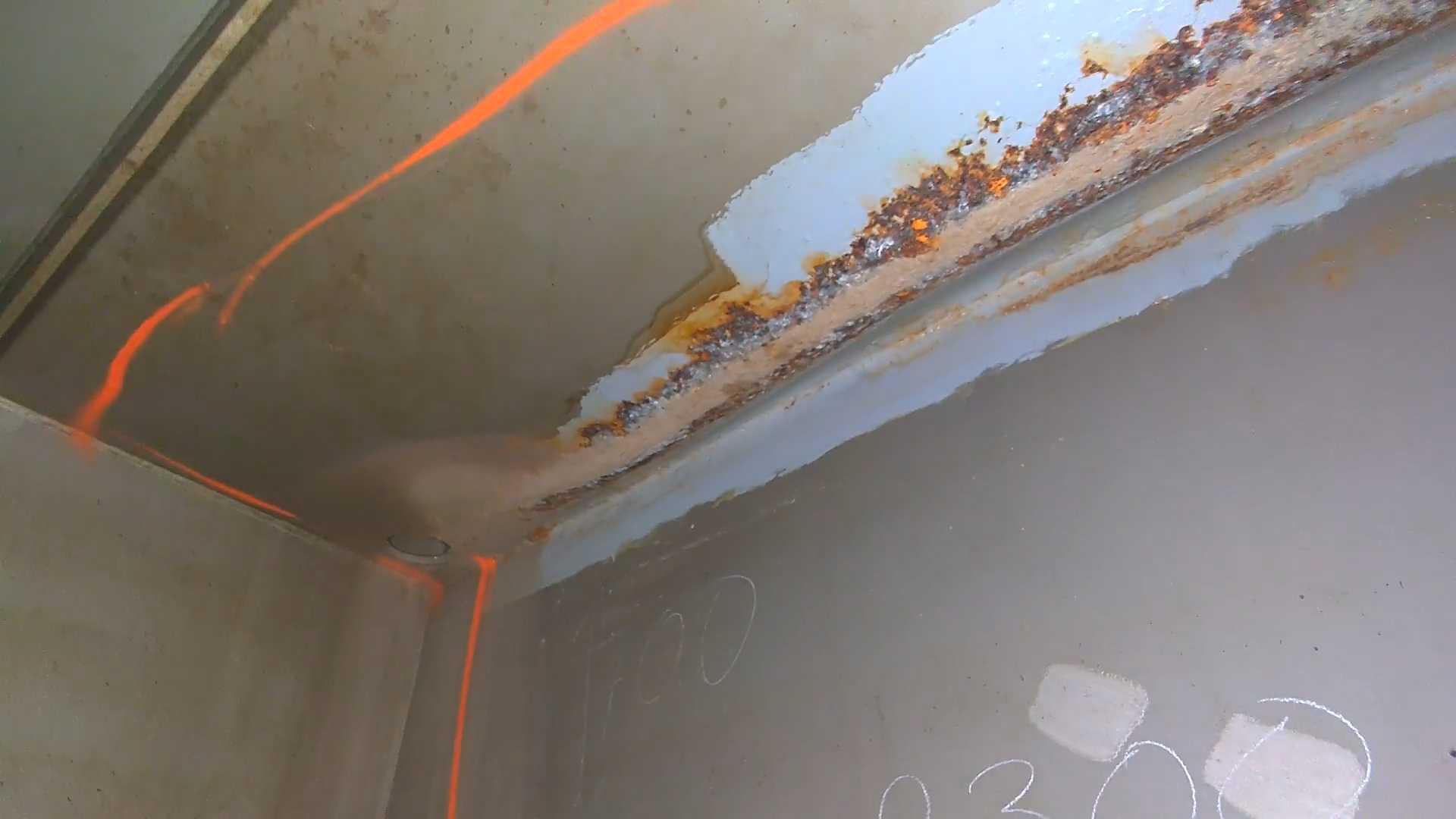
- A good fit: owner-driven visual condition assessment of process tanks, ballast tanks, slop tanks and void spaces, captured on video for the superintendent and integrity team.
- Not a fit: class-credit surveys that require class-society approval, and hull external thickness (UT) gauging.
The cost of the old method
Staging an FPSO tank for manual inspection means gas-freeing and cleaning, staging or rope access, personnel-on-board limits and production impact. A drone lets the team see the condition first, and plan entry only where the footage shows it is needed.
X1 Essential package
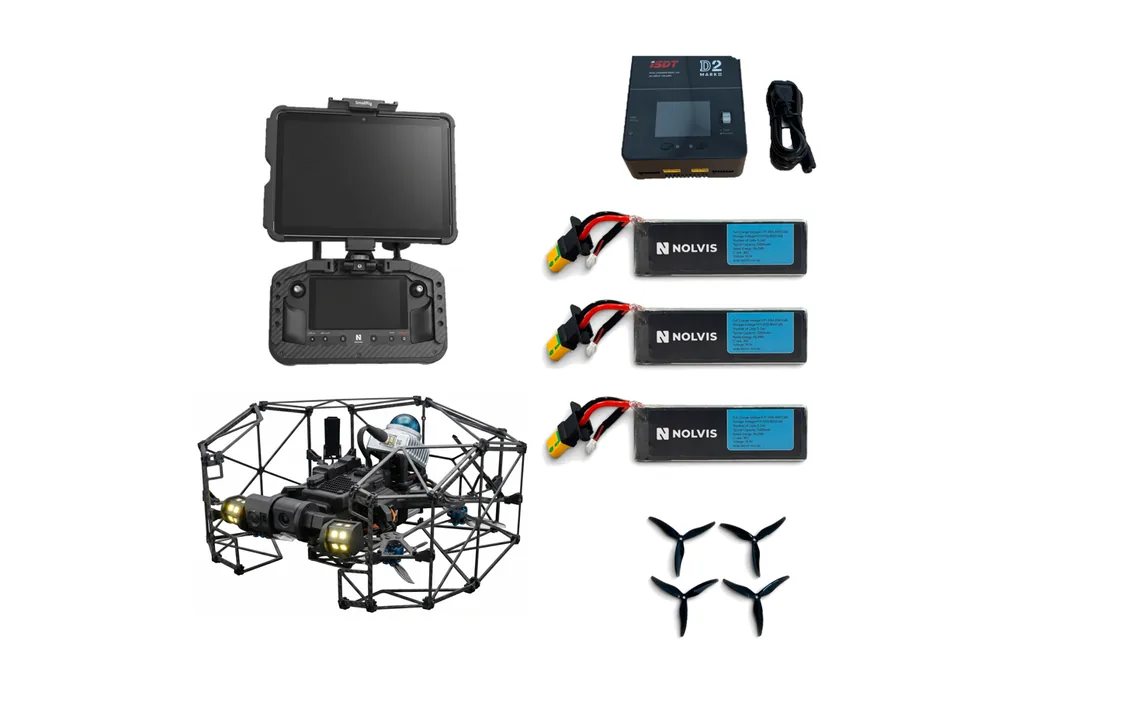
X1 ×1 · batteries ×3 · Nolvis Care ×1, in one portable case.
More on FPSO and ballast tank inspection
Get pricing from Nolvis.
Tell us what you need to inspect and your smallest access opening. We'll confirm fit and send a tailored quote.